

The moving guide
Moving to Colorado, or moving across the metro.
Coming from out of state, or trading one Colorado neighborhood for another. The questions are the same, and so is the work.
The four decisions that actually matter.
School ratings, HOA documents, which lender to use: everything else follows from these four. Work through them with me before you start touring and the search takes weeks instead of months. This holds whether you’re flying in from Chicago or driving over from Aurora.
01
Where you’ll actually spend your weekends
Colorado buyers usually over-index on mountain access and under-index on the drive to work. Be honest about how often you’ll really go west on I-70. It changes which side of the metro makes sense.
02
How much land you want to maintain
An acre in Franktown is a different life than a lot in Highlands Ranch: well and septic, snow you clear yourself, longer drives to everything. Some people love it. It’s worth deciding on purpose.
03
New build or established
New construction in Castle Rock and Parker comes with predictable finishes and unpredictable timelines. Established neighborhoods come with mature trees, bigger lots and a punch list. Both are fine, but you should pick before you start touring.
04
Your real payment ceiling
Get a Colorado pre-approval early, and price in property taxes, insurance and HOA. The monthly number is what you’ll live with, and it decides which neighborhoods are genuinely in play.
Everyone remembers the drive in. I help you get the address right.
Choose your Colorado
Finding the one that feels like home.
Quiet luxury
Castle Pines
Gated and semi-custom homes tucked into the pines with easy I-25 access. Popular with executives who want space without a mountain commute.
Two distinct pieces: the older Castle Pines Village behind the gates, with custom homes on wooded acre-plus lots and two private golf courses, and the newer neighborhoods north of Happy Canyon. Douglas County schools, a genuinely quiet feel, and the shortest luxury commute to the Tech Center in the south metro.
Population
≈11,600
Median home price
$900K to $1.2M
Typical drive time
Denver Int'l
45 min
Red Rocks
40 min
Vail
2 hr 15 min
New build & growth
Castle Rock
The most new construction in the south metro, strong schools and a real downtown. Good value per square foot if you’re comfortable being on the growth edge.
The fastest-growing town on the Front Range, and the one I show most often to families moving in from out of state. Newer communities like Macanta, The Meadows and Terrain deliver a lot of house for the money, downtown has become a legitimate dining and events district, and the Philip S. Miller Park trail system is unusual for a town this size. Expect construction noise on the edges. That’s the trade.
Population
≈85,000
Median home price
$625K to $775K
Typical drive time
Denver Int'l
50 min
Red Rocks
45 min
Vail
2 hr 20 min
Family infrastructure
Highlands Ranch
Trails, rec centers and predictable schools. Deep resale demand in the move-up range, which is why well-prepped homes here move in days.
Four full rec centers on one household membership, 70-plus miles of trails, and the Backcountry Wilderness Area on the south edge. Everything is planned, which is exactly why some buyers love it and others don’t. What it does better than almost anywhere: resale. Well-prepped homes in the move-up range draw the whole buyer pool in a weekend. A listing I took here went under contract in two days at $65,000 over asking.
Population
≈103,000
Median home price
$700K to $850K
Typical drive time
Denver Int'l
40 min
Red Rocks
30 min
Vail
2 hr
Commuter convenience
Lone Tree
Light rail, the medical center and the mall in one place. Strong choice if someone in the household still commutes into Denver Tech Center.
The most convenient address in the south metro. Light rail runs into downtown Denver, Sky Ridge Medical Center and Park Meadows are minutes away, and the Lone Tree Arts Center punches above its weight. Housing runs from luxury townhomes to custom homes on the golf course, so it works for downsizers and families alike.
Population
≈14,500
Median home price
$750K to $950K
Typical drive time
Denver Int'l
35 min
Red Rocks
35 min
Vail
2 hr 5 min
Small-town feel
Parker
Larger lots, a walkable Mainstreet and slightly more house for the money. A favorite of families relocating from the Midwest and Southeast.
Parker kept its small-town center while the subdivisions grew around it. Mainstreet still hosts the farmers market and the Christmas Carriage Parade, and the PACE Center brings real programming. Lots run larger than Highlands Ranch at the same price, and the Cherry Creek Trail connects most of town. The trade is a longer drive to almost everything west.
Population
≈62,000
Median home price
$650K to $780K
Typical drive time
Denver Int'l
35 min
Red Rocks
45 min
Vail
2 hr 15 min
Land & privacy
Franktown
Acreage, horses, well and septic, real dark skies. Wonderful if you want the room. Just plan for the drive and the maintenance.
This is where buyers go when they want land. Five to thirty-five acre parcels, horse property, well and septic instead of city utilities, and skies dark enough to actually see the Milky Way. Castlewood Canyon State Park is the backyard. Understand what you’re taking on: you clear your own snow, you maintain your own water, and the grocery store is a drive. For the right buyer it’s the best value in Douglas County.
Population
≈450 (unincorporated)
Median home price
$1.1M to $1.6M
Typical drive time
Denver Int'l
50 min
Red Rocks
55 min
Vail
2 hr 30 min
Room to breathe
Elizabeth
Further out, more land, and a price per acre the metro can’t touch. For buyers trading commute for space.
Elbert County rather than Douglas, which means lower property taxes and noticeably more land for the money. A small, tight community with its own school district and a genuine main-street feel. For buyers willing to trade ten minutes of commute for real acreage, nothing else on this list competes. Cell service and internet are worth checking address by address.
Population
≈2,600
Median home price
$575K to $700K
Typical drive time
Denver Int'l
50 min
Red Rocks
1 hr
Vail
2 hr 35 min
Executive convenience
Greenwood Village
Established neighborhoods with real space, top-rated schools, and the Tech Center at your doorstep. A favorite of relocating executives.
Wide lots, mature tree canopy and custom homes sitting inside the Denver Tech Center, one of the largest suburban office markets in the Mountain West. Cherry Creek schools, some horse property still tucked in the older sections, and the Highline Canal Trail running through it. If someone in the household has an office in DTC, this is the shortest path to suburban space.
Population
≈16,000
Median home price
$1.4M to $1.9M
Typical drive time
Denver Int'l
30 min
Red Rocks
30 min
Vail
2 hr
Estate acreage
Cherry Hills Village
Large-lot estates, mature trees and bridle paths minutes from downtown. The quietest high-end address in the metro, and the hardest to get into.
One-acre minimum zoning, no sidewalks or streetlights by design, and bridle paths instead, twelve minutes from downtown Denver. Cherry Hills Country Club anchors it. Be aware this is a low-volume market: a single closing can move the published median by a million dollars, so the number above is a range, not a benchmark. Here, comparables matter far more than medians.
Population
≈6,700
Median home price
$2.5M to $3.8M
Typical drive time
Denver Int'l
35 min
Red Rocks
25 min
Vail
1 hr 55 min
Walkable luxury
Cherry Creek
Denver’s most polished address, with galleries, restaurants and high-end townhomes and condos within a few blocks. For buyers who want luxury without a lawn.
Cherry Creek North’s tree-lined blocks hold most of the city’s best restaurants, galleries and boutiques, with the Cherry Creek Trail running straight downtown. Product is mostly new luxury condos, townhomes and duplexes. This is the answer for buyers who want to lock the door and fly out, not maintain a yard. Lock-and-leave is the whole pitch.
Population
≈6,000 (neighborhood)
Median home price
$1.1M to $1.8M
Typical drive time
Denver Int'l
30 min
Red Rocks
25 min
Vail
1 hr 50 min
Established suburban
Centennial
Mature neighborhoods, top-rated schools and a central location that keeps almost everything inside twenty minutes.
One of the metro’s most livable middle grounds, and where my own office sits. Housing is largely 1970s through 1990s on generous lots, which means real trees and square footage without new-build pricing. Served primarily by the Cherry Creek and Littleton districts, with part of the west side in Englewood Schools, so the boundary matters more here than almost anywhere. Streets of Southglenn covers dining and shopping, the Highline Canal Trail runs through, and DTC is a short hop north. Good for buyers who want established over brand-new.
Population
≈110,000
Median home price
$625K to $750K
Typical drive time
Denver Int'l
35 min
Red Rocks
30 min
Vail
2 hr
Value & variety
Aurora
Colorado’s third-largest city, with the widest range of price points on this list and the shortest run to the airport.
Enormous and genuinely varied: older, affordable neighborhoods in the northwest, newer master-planned communities out southeast toward Southlands, and the Anschutz Medical Campus driving steady demand in between. Cherry Creek State Park and its reservoir sit on the western edge. This is the metro’s value play, and where I send buyers whose budget won’t stretch to Douglas County but who still want space and a garage. Aurora Public Schools and Cherry Creek School District cover most of the city, with pockets in the far northeast and southeast falling into Brighton or Douglas County. The boundary matters enormously here, so verify it before you fall for a house.
Population
≈400,000
Median home price
$450K to $560K
Typical drive time
Denver Int'l
20 min
Red Rocks
40 min
Vail
2 hr 10 min
Urban
Central Denver
Walkable, older housing stock with character and smaller lots. The right call if restaurants and neighborhoods matter more than square footage.
Washington Park, Congress Park, Platt Park, the Highlands. Each is its own small market with its own price behavior. Bungalows and Denver Squares from the 1900s through the 1930s, alley-loaded lots, and the shortest drive to the mountains of anywhere on this list. You trade square footage and a garage for being able to walk to dinner.
Population
≈715,000 (city)
Median home price
$575K to $725K
Typical drive time
Denver Int'l
30 min
Red Rocks
20 min
Vail
1 hr 45 min
Northwest access
Arvada
Old Town charm, quicker access to Boulder and the foothills, a wide range of price points in a small radius.
The best mountain access on this list: Red Rocks in twenty minutes, Vail under two hours, Boulder a short hop northwest. Olde Town Arvada has a light rail station, a real restaurant scene and homes from the 1890s; head west and you’re into newer construction near Standley Lake with foothill views. Wide range of price points inside a few miles, which is unusual.
Population
≈124,000
Median home price
$600K to $725K
Typical drive time
Denver Int'l
40 min
Red Rocks
20 min
Vail
1 hr 35 min
Southern Front Range
Colorado Springs
A full city of its own an hour south, with Pikes Peak out the window and prices well below the Denver metro.
Colorado’s largest city by land area, anchored by five military installations, the Air Force Academy and a fast-growing tech and aerospace base. Garden of the Gods and North Cheyenne Cañon are inside city limits, with the Manitou Incline just west in Manitou Springs and Pikes Peak and Cheyenne Mountain framing the whole city. Neighborhoods vary enormously: Briargate and the north end feel suburban and newer, the Broadmoor area is the luxury market, and Old Colorado City is walkable and historic. A commercial airport twenty minutes away is a real advantage if you fly often, though DIA is a long haul when you need a bigger route map. Buyers who land here are typically tied to the military or defense sector, or trading Denver prices for square footage. I work the Springs regularly, including recent first-time buyer purchases.
Population
≈490,000
Median home price
$450K to $560K
Typical drive time
Denver Int'l
1 hr 40 min
Red Rocks
1 hr 30 min
Vail
3 hr
Colorado Springs Airport
20 min
Northern value
Windsor
More home and more land per dollar along the northern Front Range. Worth a look if you work remotely or north of the metro.
Between Fort Collins and Greeley, with the amenity-heavy RainDance and Water Valley communities driving most of the new inventory: golf, lakes, and a resort-style pool complex. Poudre and Weld school districts. The value per square foot is the best on this list, which makes it worth a serious look if the job allows it. Just be honest about the drive to DIA.
Population
≈42,000
Median home price
$525K to $650K
Typical drive time
Denver Int'l
1 hr
Red Rocks
1 hr 25 min
Vail
2 hr 30 min
Northern value
Brighton
Farmland turning to neighborhoods, with the shortest airport run on this list and prices well under the south metro.
Adams County, north on I-76, and the closest thing to a bargain within thirty minutes of the airport. Historic downtown, Barr Lake State Park nearby for birding, and new construction still going up on former farmland. Good for buyers who fly constantly or work north, and priced accordingly.
Population
≈42,000
Median home price
$500K to $600K
Typical drive time
Denver Int'l
30 min
Red Rocks
50 min
Vail
2 hr 10 min
What living here looks like
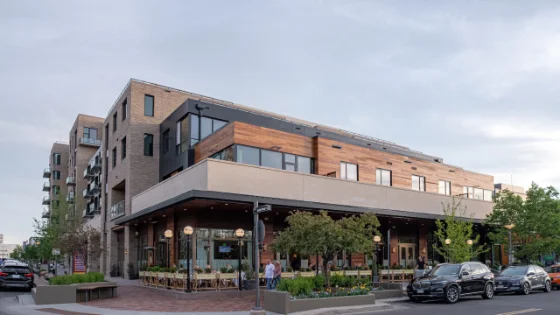
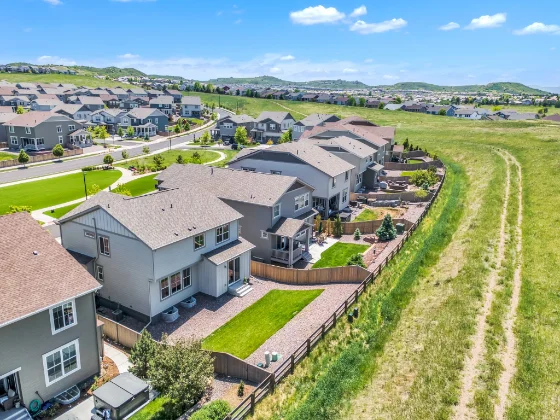
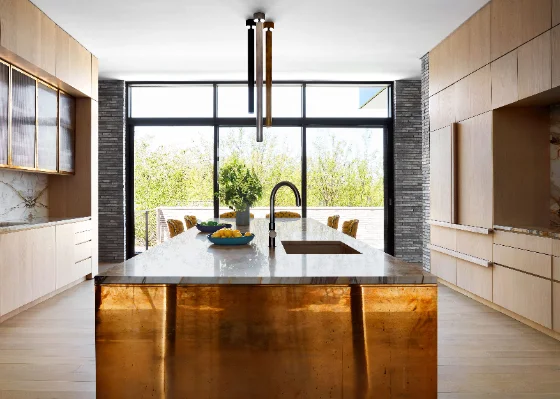
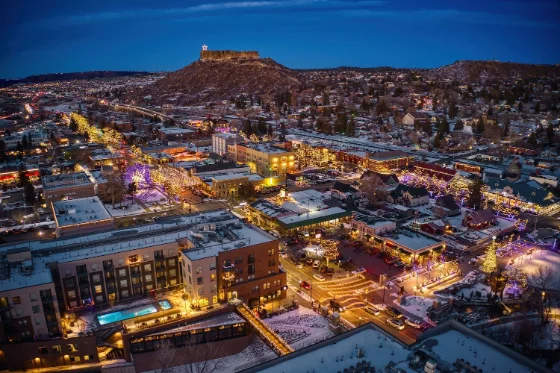
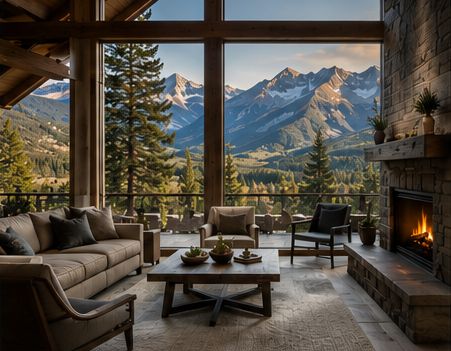
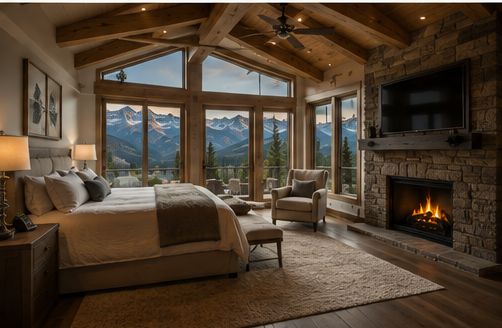
Representative imagery, not current listings.
Population figures are latest available municipal and Census estimates. Median prices are approximate ranges as of mid-2026 and move month to month. Ask me for a current pull on any specific neighborhood or price band. Drive times assume typical conditions without heavy traffic or winter weather.
Questions I get every week
Before you book the flight.
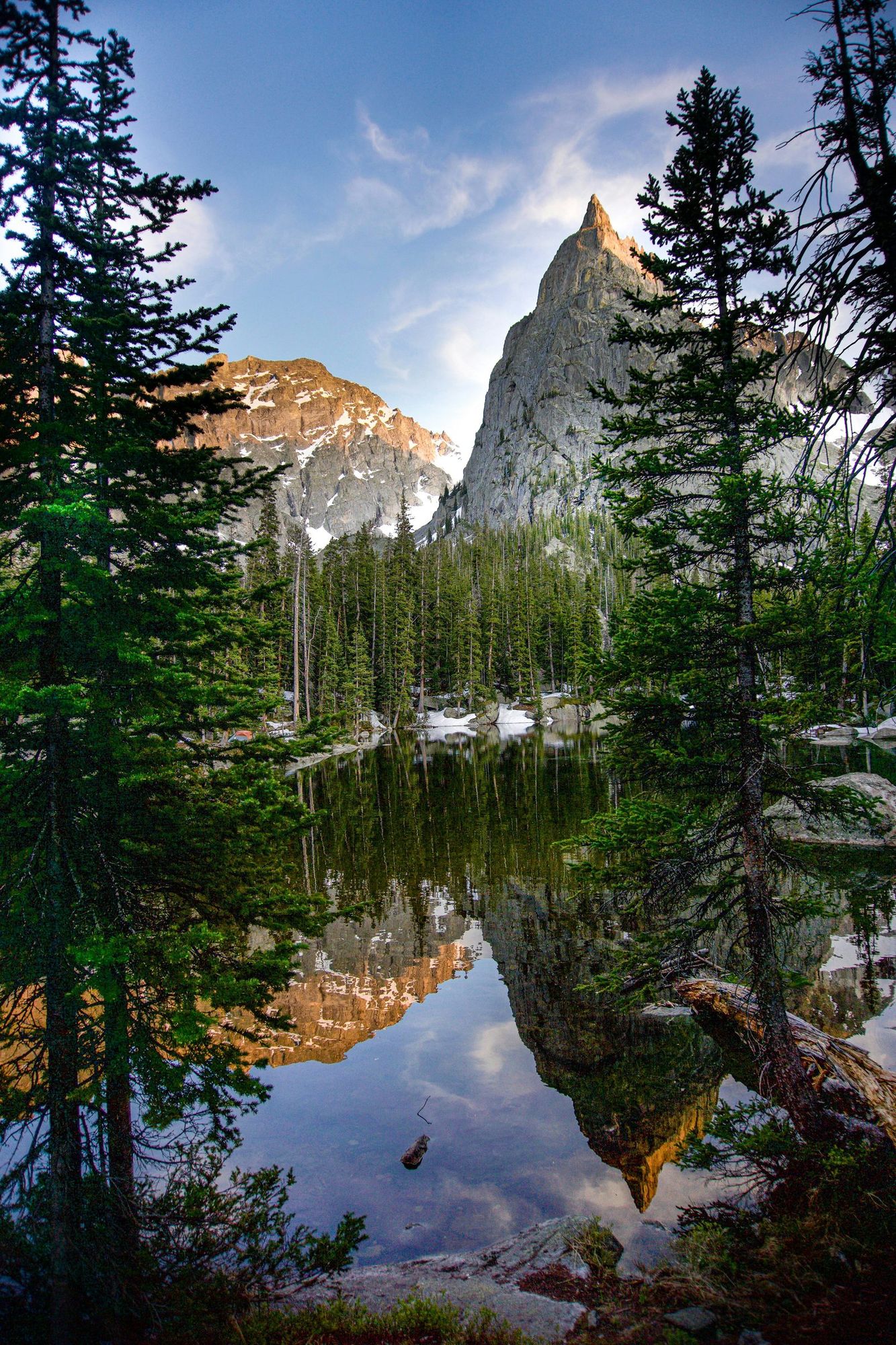
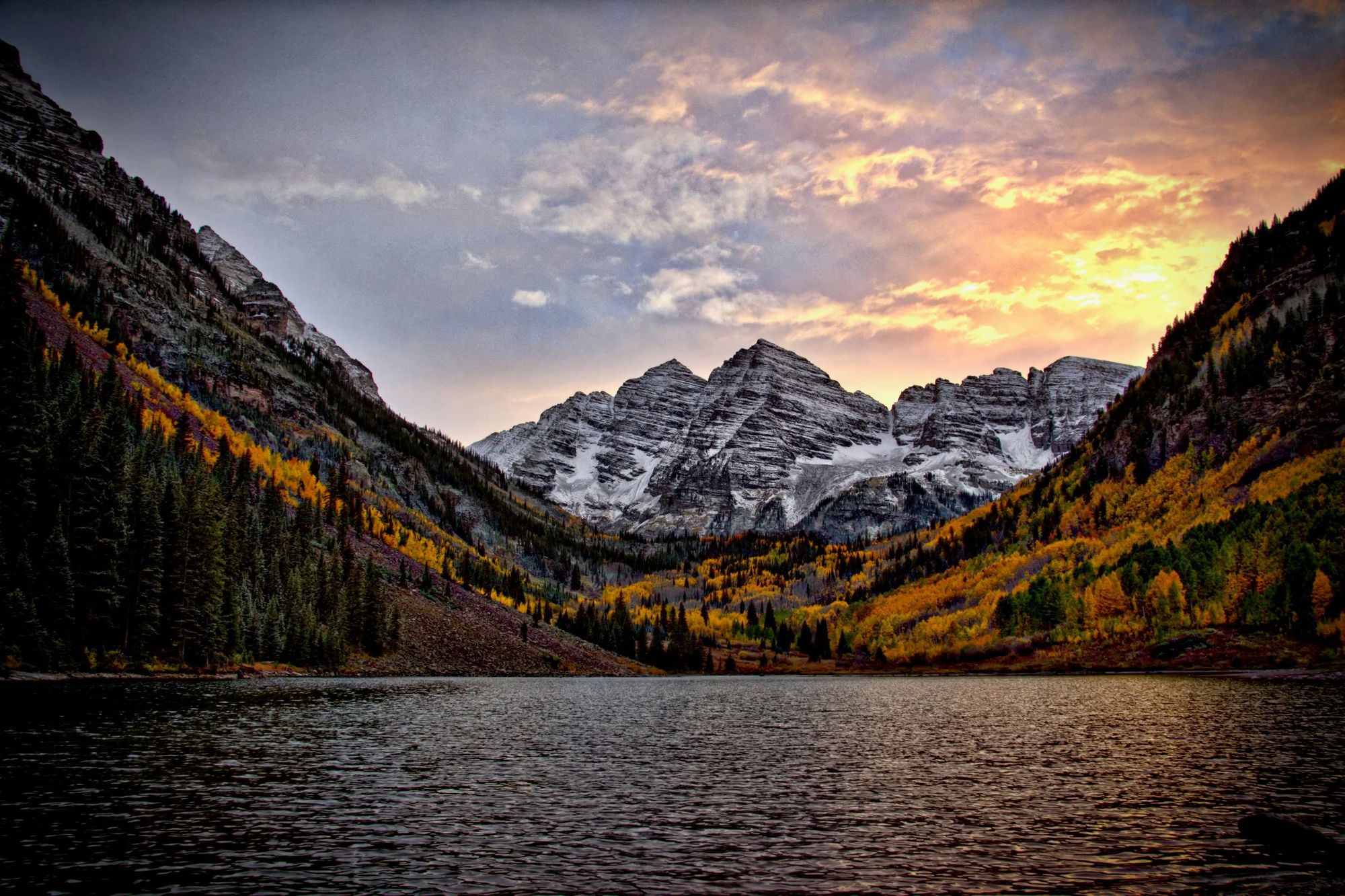
The reason people put up with the move. Views like this are the whole point.
What should I do before I fly out to look at the area?
Call me first and let me do the legwork. Before you book anything, we’ll narrow the map to two or three neighborhoods that actually fit your commute, budget and lifestyle, get you pre-approved with a local lender, and line up a route so your visit is spent seeing the right homes instead of orienting yourself. Most people arrive with a list of twenty; I’d rather you arrive with five and leave knowing which one is yours.
How much will my budget actually get me here?
More than you’d think in some towns and less than you’d hope in others. The same number buys very different homes ten miles apart. A budget that lands you a newer build with a big yard in Castle Rock might get you a smaller lot in Lone Tree, acreage in Franktown, or a lock-and-leave condo in Cherry Creek. Tell me your number and the areas you’re weighing, and I’ll send real comparables so you can see the trade-offs side by side.
What surprises out-of-state buyers most?
Altitude and water. Landscaping, well and septic, radon, and how dry a home gets in January are all things buyers from wetter climates don’t think to ask about. I bring them up before you’re under contract.
When should I start talking to an agent?
Earlier than most people do. Three to six months out is ideal. The first conversation isn’t about houses, it’s about geography and payment. Getting those right is most of the work.
What if I need to sell where I live now?
That’s most of my relocation clients. We sequence the two sides so you’re not carrying both, and I’ll refer you to an agent on your end whom I’ll actually stay in touch with. I do that regularly.